“1 Century” search results (4000)

Basic knowledge about roasting of boutique coffee
one。 The meaning of baking 1. The definition of roasting so-called coffee roasting (coffee roasting) refers to the heating of raw beans to promote a series of physical and chemical reactions inside and outside of coffee beans, and in this process to produce a variety of sour, bitter, sweet and other flavors of coffee, forming mellowness and hue, and converting raw beans into dark brown beans. two。 The importance of baking is affecting a cup of coffee.
2014-12-25 Boutique coffee baking about basic knowledge meaning definition so-called coffee
A brief talk on the basic knowledge of Fine Coffee with Coffee beans
1. Summary: coffee is a perennial evergreen shrub or small tree of Rubiaceae. It is native to tropical Africa and has been cultivated for more than 2000 years. The Arabs began to grow coffee in 525 BC, and it was popular for Arabs to stir-fry coffee beans. They began to grow coffee beans on a large scale after the 15th century, and were widely distributed in the tropics and subtropics of Europe, Asia, Africa and Latin America after the 18th century.
2015-06-04 Talking about coffee beans boutique coffee basics common sense overview grass for many years
How many coffee producing countries are there in the world?
1. Arabica species (scientific name Coffea arabica) Arabica species is native to Ethiopia's Abyssinian plateau (now Ethiopia plateau), early mainly as a medicinal food (Islamic lovers used as a healing medicine or to wake up), 13th century developed the habit of baking and drinking, 16th century introduced to Europe via Arabia
2016-06-06 coffee cultivation condition world on how much country of production rabbi kasu scientific name
Coffee common sense traditional cappuccino coffee tastes different
At the beginning of the 20th century, when the Italian Azibucha invented the steam pressure coffee machine, he also developed cappuccino coffee. Cappuccino is an Italian coffee mixed with the same amount of Italian espresso and steamed milk. I only love cappuccino, not only because of its taste, but also because of its beauty, cappuccino carved by barista.
2015-02-05 Coffee common sense tradition card puccino drink different taste 20th century
Coffee cultivation and export in Venezuela San Cristobal region
The coffee industry in Venezuela has been shrinking in recent years. The government encourages coffee cultivation by introducing new varieties and providing loans to farmers. Venezuelan coffee production accounted for more than 7% of global coffee production in the 19th century, but since the discovery of oil in the early 20th century, the coffee industry has been in decline. At present, Venezuelan coffee production accounts for less than 1% of the world's output.
2016-07-01 Venezuela coffee cultivation and export situation introduction Crystal Val
Introduction to the flavor and taste characteristics of coffee from Chilmel Manor, Rwanda
Clans began to form kingdoms in the 15th century, and in 1700 there were eight kingdoms in Rwanda. The Kingdom of Rwanda, ruled by the Nyiginya clan of the Tutsi nationality, grew gradually in the mid-18th century and reached its peak under King Kigali IV in the 19th century. The provinces before 2006 are as follows: Butare, Byumba, Shanggugu.
2016-09-08 Fresh feeling Luwan Dutch Mayer Manor Coffee Flavor Taste characteristics
Flavor of coffee growing manor in Venezuela San Cristobal area
The coffee industry in Venezuela has been shrinking in recent years. The government encourages coffee cultivation by introducing new varieties and providing loans to farmers. Venezuelan coffee production accounted for more than 7% of global coffee production in the 19th century, but since the discovery of oil in the early 20th century, the coffee industry has been in decline. At present, Venezuelan coffee production accounts for less than 1% of the world's output.
2016-06-24 Venezuela Coffee planting Manor producing area Flavor introduction Crystal Val
Boutique coffee beans knowledge coffee producing area Kenya
Coffee entered Kenya in the 19th century, when Ethiopian coffee drinks were imported into Kenya through southern Yemen. But it was not until the early 20th century that the Bourbon Coffee Tree was created by the St. Austen Mission (St). Austin Mission) is introduced. Kenyan coffee is mostly grown at an altitude of 1500 to 2100 meters and is harvested twice a year. To ensure that only ripe berries are picked, people must
2015-01-07 Boutique coffee beans knowledge coffee origin Kenya 19th century enter
Introduction of the Origin of the most traditional Arabica Coffee
Arabica (Coffea arabica) is the most traditional Arabica coffee variety. Originally from East Africa, coffee was monopolized by the Arab world for a long time before the 15th century, so it was called Arabian coffee by Europeans. It turned out that all the commercial coffee in the world were small grains, but it was only at the end of the 19th century that growers began to look for other resistance to a large-scale disease.
2016-07-12 Tradition Arabian coffee variety origin introduction rabbi manor producing area la
Kenya Coffee-Kenya Coffee
Coffee arrived in Kenya in the 19th century, when Ethiopian coffee drinks were imported to Kenya via South Yemen. But it wasn't until the early 20th century that bourbon coffee trees were introduced by St. Austin's Mission (St. Austin Mission) was introduced. Kenyan coffee is mostly grown at altitudes of 1,500 to 2,100 meters and harvested twice a year. To ensure that only ripe berries are picked, people must be present
2016-03-24 coffee origin introduction kenya boutique 19th century entry
Basic knowledge of boutique coffee
Coffee (scientific name: Coffea arabica), also known as coffee tree, Arabica coffee, etc., is the national flower of Yemen. Before the 6th century in the park, Yemen was called Arab, so the coffee trees transported from them to other places were also called Arabian coffee trees. The name coffee comes from the Arabic Qahwah, which means plant drink. Later, the coffee spread all over the world, and it was picked.
2015-02-09 Boutique coffee basics common sense about knowledge scientific name Coffea
Coffee knowledge Fine Coffee basic knowledge
Coffee (scientific name: Coffea arabica), also known as coffee tree, Arabica coffee, etc., is the national flower of Yemen. Before the 6th century in the park, Yemen was called Arab, so the coffee trees transported from them to other places were also called Arabian coffee trees. The name coffee comes from the Arabic Qahwah, which means plant drink. Later, the coffee spread all over the world, and it was picked.
2015-03-09 Coffee knowledge boutique basics common sense
Basic knowledge of boutique coffee
Coffee (scientific name: Coffea arabica), also known as coffee tree, Arabica coffee, etc., is the national flower of Yemen. Before the 6th century in the park, Yemen was called Arab, so the coffee trees transported from them to other places were also called Arabian coffee trees. The name coffee comes from the Arabic Qahwah, which means plant drink. Later, the coffee spread all over the world, and it was picked.
2014-12-01 Boutique Coffee Basics Common sense detailed explanation knowledge Scientific name Coffea
An irresistible fancy coffee.
At the beginning of the 20th century, when the Italian Azibucha invented the steam pressure coffee machine, he also developed cappuccino coffee. Cappuccino is an Italian coffee mixed with the same amount of espresso and steamed milk, the color of which is like a cappuccino monk covering a dark brown coat, hence the name caffeine. Tradition
2015-03-19 Cabo Chino Coffee irresistible Fancy 20th Century early Italy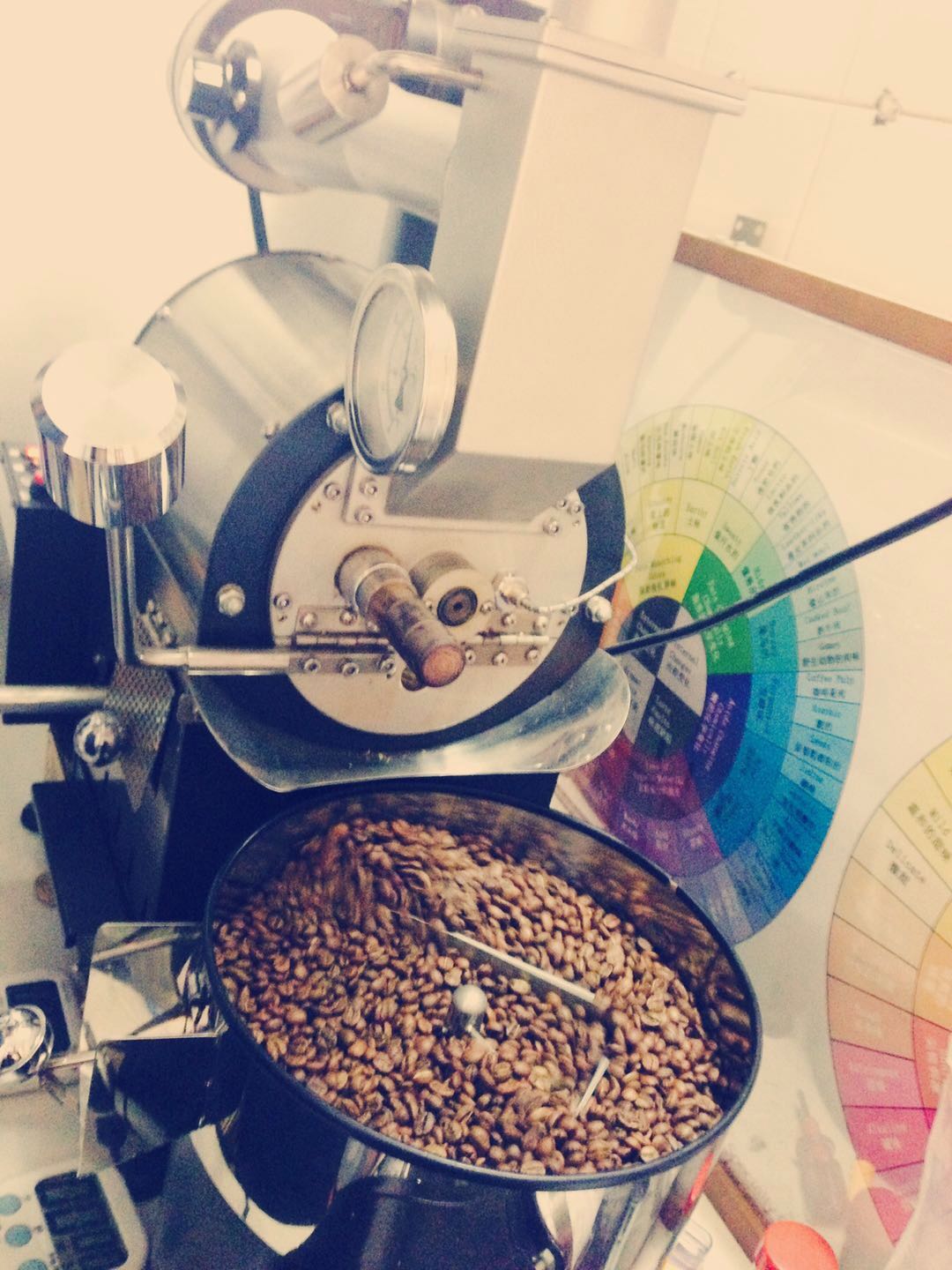
Coffee beans roasting knowledge points: basic knowledge about roasting to understand the key points affecting coffee quality
I. The so-called coffee roasting (coffee roasting) refers to the process of converting raw beans into dark brown raw beans by heating the raw beans to cause a series of physical and chemical reactions inside and outside the coffee beans, and in the process to generate various flavors such as acid, bitterness, and sweetness of coffee, forming alcohol and color. 2. The importance of baking affects a cup of coffee
2015-12-17 coffee beans roasting knowledge points about basics understanding effects coffee
Coffee knowledge is an evergreen shrub of Rubiaceae.
Coffee (scientific name: Coffea arabica), also known as coffee tree, Arabica coffee, etc., is the national flower of Yemen. Before the 6th century in the park, Yemen was called Arab, so the coffee trees transported from them to other places were also called Arabian coffee trees. The name coffee comes from the Arabic Qahwah, which means plant drink. Later, the coffee spread all over the world, and it was picked.
2015-04-27 Coffee knowledge grasses evergreen shrubs
Arabica Coffee Variety Flavor taste Manor area introduces the characteristics of Arabica coffee beans
Arabica (Coffea arabica) is the most traditional Arabica coffee variety. Originally from East Africa, coffee was monopolized by the Arab world for a long time before the 15th century, so it was called Arabian coffee by Europeans. It turned out that all the commercial coffee in the world were small grains, but it was only at the end of the 19th century that growers began to look for other resistance to a large-scale disease.
2016-07-25 Arabian coffee variety flavor taste manor producing area introduction rabbi
Introduction to the Flavor of Arabica Coffee Manor
Tibica coffee, which is native to Ethiopia and southeastern Sudan, is the most widely cultivated variety of coffee in the Western Hemisphere and has a higher yield in Hawaii. Hawaii Kona is on a par with Blue Mountain coffee, with a price difference of only $1 to $3. The bourbon subspecies was emigrated by French immigrants from the island of Island of Bourbon in the 18th century, today's French island of Reunion Island of R
2016-07-12 Rabbi Coffee Manor producing area Flavor introduction Allah Biya Coffee beans Tippi
Coffee Tour in China (1) Hainan
The main producing areas of Chinese coffee are Hainan, Yunnan and Taiwan. according to historical records, coffee was first planted in Taiwan in 1884, which opened the prelude to the development of coffee in China. The earliest coffee cultivation in mainland China began in Yunnan. At the beginning of the 20th century, a French missionary brought the first coffee seedlings to Binchuan County in Yunnan Province. Since then, the earliest cafe in China has appeared in Kunming, Yunnan Province.
2014-08-26 Coffee knowledge Chinese Coffee Hainan Coffee
Coffee users must know 25 common sense of coffee
1. According to legend, coffee was discovered by an Ethiopian shepherd named Khaldi in the 9th century. While herding the sheep, Khaldi found that the sleepy sheep looked very excited after eating the red fruit of an evergreen tree. Khaldi brought the fruit to a Muslim cleric who made the fruit from the coffee tree into a delicious drink. 2. Although
2015-10-10 Coffee control will 25 common sense